
A Well-Woman vs. Gynecology Visit: What’s the Difference?
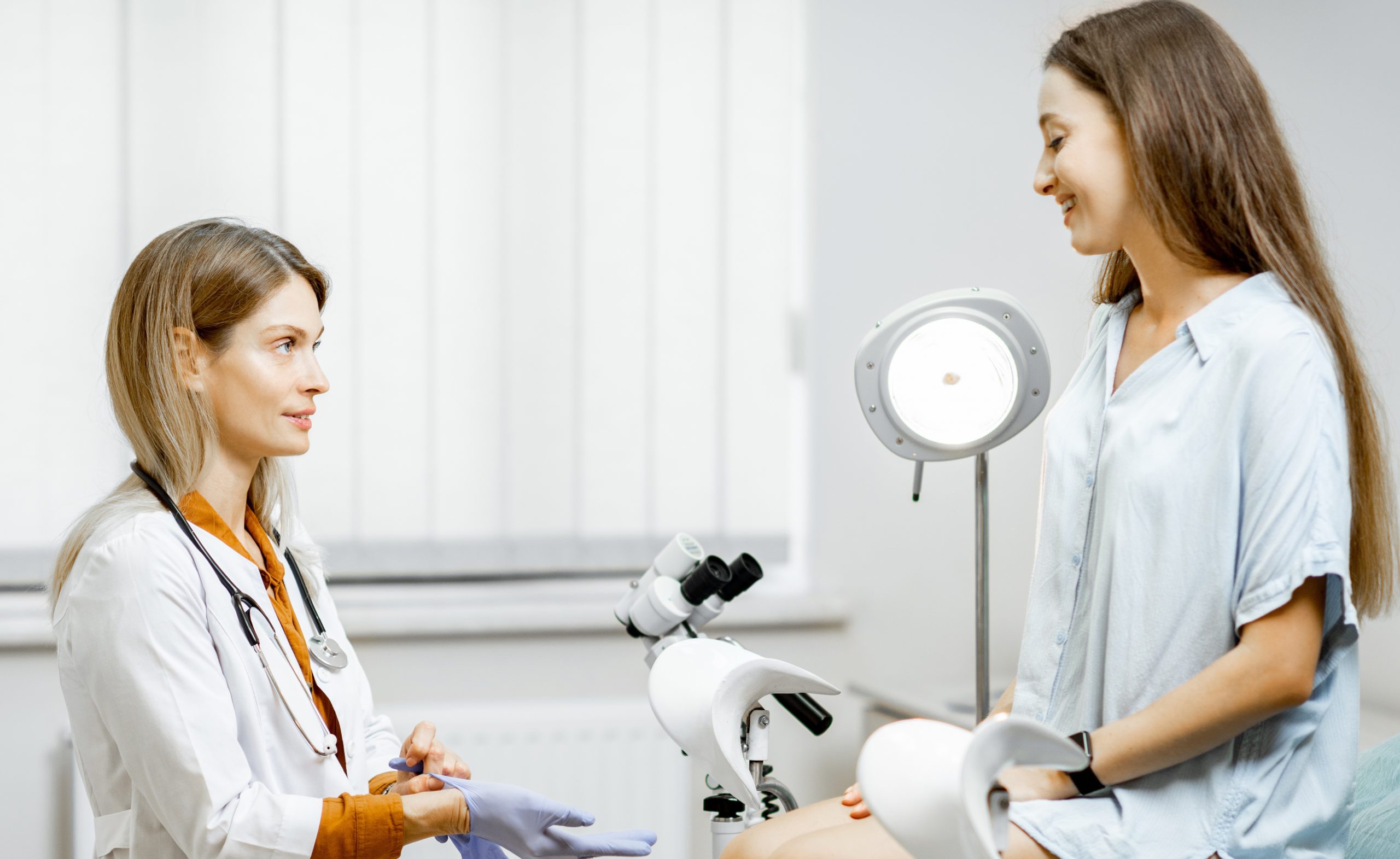
When it comes to women’s health, sometimes it’s hard to know whether to book a primary care or specialty care visit. That’s because primary care providers and obstetrician-gynecologists (OB/GYNs) can both perform a range of services to support women’s health. Here’s a quick guide to understand which type of visit may be more suitable in addressing your care needs.
What is a well-woman exam?
Well-woman exams focus on regular preventive care that is specific to women’s health. They often include:
- a clinical breast exam: a physical examination of the breast area to detect any abnormalities or signs of cancer.
- a pelvic exam: a physical examination of the female reproductive organs, including the vagina, cervix, ovaries, and uterus, to check overall organ health.
- a Pap test (if you are due for one): a collection of cells from the cervix to screen for cervical cancer.
You can usually receive well-woman care as part of an annual wellness visit, or you can have a separate visit with a gynecologist. If you have questions about how frequently you should be screened for cancers and other conditions, your provider is there to discuss your personal health history and risk factors like age, genetics, and lifestyle. During a well-woman exam, your provider can also review your medications with you and prescribe birth control.
Generally, both primary care providers and gynecologists can perform well-woman exams, but it may be more convenient to schedule one with your primary care provider.
When do I need to see a gynecologist?
If your primary care provider does not perform certain components of a well-woman exam, a gynecologist (OB/GYN) can work with you to make sure you you receive comprehensive support. In addition to well-woman exams, gynecologists provide more specialized care related to the female reproductive system, including the following areas:
- sexual health and organ function: abnormal menstrual cycles; cysts and polyps; endometriosis; gynecologic surgery; STI screenings and treatment; urinary tract conditions; uterine fibroids
- family planning: birth control counseling and education; contraception methods (birth control pills, IUDs, etc.); preconception counseling
- menopause: hormone management; osteoporosis; changes in mood, weight, sleep, etc.
Gynecologists are also trained in obstetrics, and many also provide care during pregnancy, labor and delivery, and postpartum stages. For guidance regarding fertility, OB/GYNs may differ in what services they offer, so it’s best to confirm with your provider.
Support from your care team
Your onsite primary care team is here to support your women’s health needs and can provide referrals to specialists if needed.
Schedule Your Next Visit
Contact a Health Navigator to book a primary care or health coaching visit with your clinical team at the Barclays Health Center today.